
TL;DR:
- Neglecting website maintenance causes costly downtime, security vulnerabilities, and SEO damage for UK small businesses. Regular updates, backups, and monitoring protect revenue, reputation, and compliance with regulations. Proper upkeep is essential for long-term website performance and trust.
Website maintenance is the set of continuous, proactive tasks that keep a business website secure, fast, functional, and aligned with customer expectations. For UK small to mid-sized businesses, why site maintenance matters goes far beyond fixing broken pages. Downtime costs UK SMEs between £137 and £450 per minute, with average annual losses around £7,500. The ICO’s UK GDPR Article 32 also requires businesses holding personal data to apply security patches and maintain documented backup processes. Treating your website as a set-and-forget asset is one of the costliest mistakes a business owner can make.
What are the main risks of neglecting website maintenance?
Neglecting your website does not just create inconvenience. It creates measurable financial and reputational damage that compounds over time.
The most immediate risk is downtime. UK SME downtime losses average £7,500 per year, and some incidents have cost businesses up to £212,000. Every minute your site is offline, you are losing potential enquiries, sales, and credibility with customers who simply move on to a competitor.
Security is the second major risk. Outdated plugins, themes, and core software create vulnerabilities that attackers exploit quickly. A real example: a plumber’s outdated WordPress site was hacked and required a £650 clean-up. Planned maintenance over the same six months would have cost £300. Reactive repairs almost always cost more than prevention.
SEO damage is less visible but equally serious. A plumbing business lost 40% of its organic traffic over four months due to frequent outages. Search engines treat unreliable sites as poor results and demote them. Recovery can take months, during which your competitors capture the traffic you built.
Broken SSL certificates are a particularly damaging form of neglect. When a browser flags your site as “Not Secure,” visitors leave immediately. One café’s expired SSL certificate took three weeks to fix, causing lasting reputational damage that far outlasted the technical problem itself.
The pattern is consistent: small oversights compound into large, expensive problems. The impact of neglecting site maintenance is rarely a single dramatic failure. It is a slow erosion of trust, traffic, and revenue.
What does proper website maintenance involve?
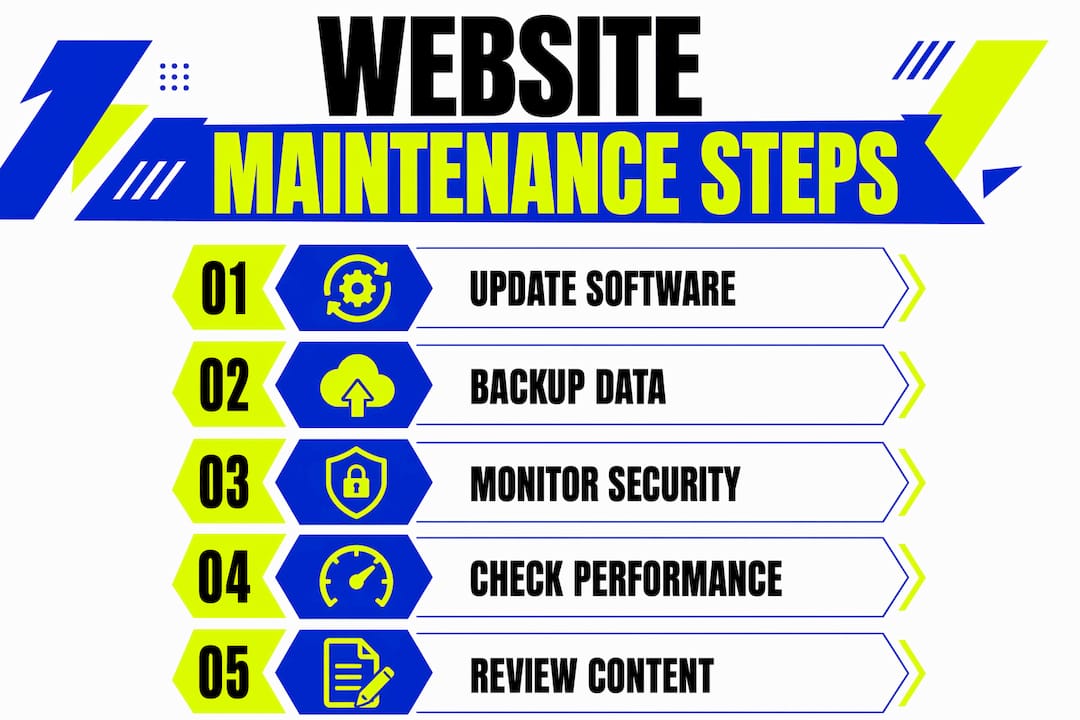
Effective website maintenance covers both technical upkeep and content hygiene. For UK SMEs, the core tasks fall into several clear categories.

Security and software updates are the foundation. Plugins, themes, and CMS core files need regular patching. UK GDPR Article 32 expects critical patches to be applied within 14 days of release. Leaving known vulnerabilities unpatched is not just a technical risk; it is a compliance failure for any business handling customer data.
Backups and restore testing protect you when things go wrong. Off-site backups stored separately from your hosting server mean a hack or server failure does not wipe your site permanently. A backup is only useful if the restore process actually works, so testing it periodically is non-negotiable. If you use WordPress, reviewing backup plugins for your platform can help you identify the right tool for your setup.
The remaining core tasks include:
- SSL certificate renewal: Keep HTTPS active and browsers from flagging your site as insecure.
- Uptime monitoring: Automated alerts notify you within minutes of an outage, before customers notice.
- Broken link checks: Dead links frustrate visitors and signal poor quality to search engines.
- Performance audits: Slow load times reduce conversions and damage search rankings.
- Content reviews: Outdated pricing, old contact details, or expired promotions erode trust.
Pro Tip: Schedule a monthly maintenance window in your calendar, even if you outsource the work. Reviewing a brief report from your provider keeps you informed and accountable.
Each of these tasks is straightforward in isolation. The challenge is doing them consistently, which is why most business owners benefit from a structured plan rather than ad hoc fixes.
How much should UK small businesses expect to pay?
Standard maintenance plans for UK small business websites cost between £40 and £100 per month. That range covers the core tasks: updates, backups, uptime monitoring, and SSL management.
Plans priced below £40 per month often skip critical tasks such as off-site backups or security scanning. Plans above £100 per month typically serve complex e-commerce sites, membership platforms, or businesses with custom integrations. Understanding what your plan actually includes is more important than the headline price.
| Scenario | Cost | Outcome |
|---|---|---|
| Planned maintenance (6 months) | £300 | Site stays secure and operational |
| Malware clean-up after hack | £650 | Downtime, data risk, reputational damage |
| Uptime monitoring service | £10–£50/month | Issues detected within minutes |
| Major downtime incident | Hundreds to thousands | Lost revenue, SEO damage, customer loss |
The return on investment for proactive upkeep is clear. Monitoring services cost £10–£50 per month, while a single downtime incident typically costs far more. For e-commerce sites, the calculation is even sharper: every hour offline is direct lost revenue.
Pro Tip: Ask any maintenance provider to show you a sample report before signing up. If they cannot demonstrate what they actually check and when, the plan likely lacks the coverage you need.
The importance of website maintenance becomes most obvious when you compare these numbers side by side. Prevention is not just cheaper. It is predictable, which makes budgeting far easier for a small business.
What are best practices for maintaining your website effectively?
The benefits of site upkeep only materialise when maintenance is done consistently and correctly. These practices give UK small businesses the best foundation.
-
Choose a provider with transparent reporting. A good maintenance provider supplies evidence of updates, backups, uptime monitoring, and SSL renewals. Absence of such proof usually means corner-cutting or insufficient coverage. Ask for monthly reports as a condition of the contract.
-
Document your patching and backup schedules. The ICO’s Article 32 guidance expects businesses to maintain documented processes for security and data protection. A written schedule protects you legally and operationally.
-
Run periodic performance and security audits. A quarterly website audit identifies issues before they become costly. Audits cover page speed, broken links, security scan results, and content accuracy.
-
Reject dangerously cheap plans. Plans that skip off-site backups or omit security scanning create a false sense of security. The risk of a single incident outweighs any monthly saving.
-
Treat maintenance as part of business continuity. Your website is often the first point of contact for new customers. Planned downtime for updates should be scheduled during low-traffic periods, and your team should know the recovery process if something goes wrong.
-
Monitor SSL certificates proactively. Set renewal reminders at least 30 days before expiry. An expired certificate can take days or weeks to resolve fully, and the reputational damage lingers.
Many business owners attempt DIY maintenance but abandon it due to the complexity and ongoing time commitment involved. Professional support removes that burden and brings the consistency that ad hoc efforts rarely sustain.
Pro Tip: Review your hosting plan alongside your maintenance plan. Cheap shared hosting often lacks the server-level security that good maintenance depends on. The two work together.
For a broader view of how hosting and maintenance interact, the guide to UK small business hosting covers what to look for and what to avoid.
Key takeaways
Regular website maintenance is the single most cost-effective way for UK small businesses to protect their revenue, reputation, and regulatory standing.
| Point | Details |
|---|---|
| Downtime carries real financial cost | UK SMEs lose an average of £7,500 per year to downtime, with some incidents reaching £212,000. |
| Prevention beats reactive repair | A six-month maintenance plan costs £300; a single malware clean-up costs £650 or more. |
| ICO compliance requires active maintenance | UK GDPR Article 32 expects critical patches within 14 days and documented backup processes. |
| Transparent reporting is non-negotiable | Always ask providers for evidence of updates, backups, and monitoring before signing a contract. |
| SSL and uptime monitoring are core tasks | Expired certificates and undetected outages damage both customer trust and search rankings. |
Why I think most UK small businesses underestimate this risk
Working with business owners across the UK for over a decade, I have seen the same pattern repeat itself. A business invests in a well-designed website, launches it with confidence, and then quietly forgets about it. Six months later, a plugin update breaks the checkout. A year later, the SSL certificate expires and customers start calling to say the site looks suspicious.
The honest truth is that most business owners do not ignore maintenance because they are careless. They ignore it because no one told them it was an ongoing responsibility. A website feels like a finished product. It is not. It is infrastructure, and infrastructure requires upkeep.
The businesses I have seen handle this best treat their website the same way they treat their premises. They schedule regular checks, they keep records, and they act quickly when something needs attention. The ones who struggle treat it as a one-off expense and are then surprised when the costs of neglect arrive all at once.
One thing I would push back on is the idea that maintenance is purely a technical concern. A site that loads slowly, shows outdated information, or throws security warnings does not just lose traffic. It loses trust. And rebuilding trust with customers who have had a bad experience is far harder than keeping the site healthy in the first place.
If you are a UK small business owner reading this, the most useful thing you can do today is ask your current provider for a maintenance report. If they cannot produce one, that tells you everything you need to know.
— Kukoo
How Kukoocreative supports your website and brand
Your website is one of your most important business assets, and keeping it healthy is part of protecting everything you have built. At Kukoocreative, we have spent over a decade helping UK business owners create and maintain websites that work hard for their brands.

We offer maintenance support tailored to UK small and mid-sized businesses, covering the tasks that matter most: updates, backups, security monitoring, and performance checks. We also bring the same care to your wider brand identity. Whether you need a credible logo design that builds recognition or a full review of your brand assets, we work with you as a long-term partner. A well-maintained website and a strong brand identity work together. We help you build both.
FAQ
What does website maintenance actually include?
Website maintenance covers software updates, security patches, off-site backups, SSL certificate renewal, uptime monitoring, broken link checks, and content reviews. Together, these tasks keep your site secure, fast, and reliable.
How often should a small business update its website?
Security patches should be applied within 14 days of release, in line with ICO UK GDPR Article 32 guidance. Backups should run at least weekly, and a full performance review is recommended quarterly.
What happens if I ignore website maintenance?
Neglected sites face security breaches, downtime, and SEO damage. UK SMEs lose an average of £7,500 per year to downtime, and a single malware clean-up can cost more than six months of planned maintenance.
Is a cheap maintenance plan worth it?
Plans below £40 per month often skip critical tasks such as off-site backups and security scanning. The short-term saving rarely outweighs the cost of a single incident, which can run to hundreds or thousands of pounds.
Does website maintenance affect my Google rankings?
Yes. Frequent outages and slow load times cause search engines to demote your site. One business lost 40% of its organic traffic over four months due to repeated downtime, with recovery taking several more months.