Most british businesses underestimate the power of clear brand identity, yet research shows that only 20 percent actually succeed in weaving their purpose into their daily operations. When brand purpose and strategy are misaligned, even strong products can struggle to be noticed. By understanding how to define your purpose, build consistent branding, and engage your team, you set the stage for real customer loyalty and recognition.
Table of Contents
- Stage 1: Define Your Brand Purpose And Audience
- Stage 2: Develop Distinct Visual And Verbal Brand Elements
- Stage 3: Create Consistent Branding Across All Channels
- Stage 4: Engage Your Team And Stakeholders In Implementation
- Stage 5: Review And Refine Your Brand Performance
Quick Summary
| Key Insight | Explanation |
|---|---|
| 1. Define Your Brand Purpose Clearly | Understanding your core motivations connects your business with customer needs and expectations. Focus on solving problems beyond just profits. |
| 2. Develop a Unique Visual and Verbal Identity | Create consistent visual elements and a specific tone of voice to reflect your brand personality across all platforms. |
| 3. Maintain Brand Consistency Across Channels | A cohesive brand experience strengthens recognition, so implement a brand style guide for all communication and design elements. |
| 4. Engage Your Team in Brand Strategy | Foster collaboration through workshops to align your entire organisation with your brand purpose and strategy, enhancing commitment and understanding. |
| 5. Regularly Review and Refine Brand Performance | Establish metrics to assess your brand’s relevance and effectiveness, allowing for ongoing adaptations based on audience feedback and market changes. |
Stage 1: Define your brand purpose and audience
Defining your brand purpose is more than a marketing exercise. It’s about understanding the core reasons behind your business and connecting deeply with the people who matter most. According to recent research, only 20% of companies have successfully integrated their brand purpose into their business strategies, which means most businesses are missing a critical opportunity.
To craft a compelling brand purpose, start by asking fundamental questions about your business. What problem are you solving? Who are you serving? Why does your business exist beyond making money? These questions help uncover the authentic motivation driving your work. Consider how your purpose aligns with your customers’ expectations research shows consumers want brands that genuinely listen to their needs and demonstrate authentic values.
A powerful brand purpose resonates emotionally and logically. It should connect your business objectives with meaningful societal or customer needs. Consumer research indicates that people prioritise brands that understand their expectations and treat employees well, so your purpose must go beyond superficial statements. Think about how your business creates real value for your customers and community.
Your next step will be transforming this purpose into a clear, actionable brand strategy that speaks directly to your target audience.
Stage 2: Develop distinct visual and verbal brand elements
Building a memorable brand requires crafting unique visual and verbal elements that communicate your business identity. University of the Arts London highlights the significance of cohesive design principles in creating a compelling visual identity, emphasising how strategic choices in form, colour, and imagery can powerfully convey your brand’s narrative.

Start by developing a distinctive visual language. This means selecting a consistent colour palette, typography, and graphic style that reflects your brand personality. Consider how each visual element communicates your core values. Your logo, website design, marketing materials, and social media graphics should feel interconnected and instantly recognisable. Think of these elements as a visual vocabulary that speaks about your business without saying a word.
Effective verbal branding involves creating a consistent communication tone that resonates with your target audience. Your brand’s language should be intentional whether it is professional and authoritative or warm and conversational. Develop clear guidelines for your written communications including email correspondence, website copy, social media posts, and client communications. This ensures every interaction reinforces your brand’s unique voice and builds trust with your audience.
Prepare to refine these elements as you grow and learn more about your customers and market positioning.
Stage 3: Create consistent branding across all channels
Brand consistency strategies are critical for businesses seeking to build strong audience recognition, ensuring your message remains clear and compelling across every communication platform. Imagine your brand as a multifaceted personality that speaks with the same voice whether it appears on social media, your website, printed materials, or customer emails.
To achieve this consistency, develop a comprehensive brand style guide that serves as your blueprint. This document should detail precise guidelines for visual elements like colour palettes, typography, logo usage, and imagery standards. Equally important are your verbal guidelines covering tone of voice, key messaging, and communication principles. Every team member and external partner should understand and follow these guidelines, creating a unified brand experience that feels intentional and professional.
Consider practical implementation methods. Create template libraries for common documents, design presets for social media graphics, and email signatures that reinforce your visual identity. Train your team on the importance of maintaining brand consistency, emphasising that every touchpoint is an opportunity to strengthen your brand’s narrative. Small details matter immensely consistency builds trust and helps your audience recognise and connect with your brand instantly.
Prepare to periodically review and refine your brand guidelines to ensure they remain relevant and effective.
Stage 4: Engage your team and stakeholders in implementation
Research indicates a significant gap between internal brand understanding and external perception, highlighting the critical importance of aligning your entire organisation around your brand strategy. Engaging your team and stakeholders is not just about communication it is about creating a shared vision that resonates throughout your business ecosystem.
Start by hosting collaborative workshops that invite input from across your organisation. These sessions should focus on translating your brand purpose into actionable insights for different departments. Marketing might explore communication strategies, while sales teams consider how brand values influence client interactions. Encourage open dialogue and create space for team members to ask questions and share perspectives. This approach transforms brand implementation from a top-down directive to a collective journey of understanding and commitment.
Companies often struggle to measure their brand purpose effectively, which makes stakeholder engagement even more crucial. Develop clear metrics and feedback mechanisms that allow your team to track brand alignment. Consider creating brand ambassador roles within different teams who can champion your brand values and provide ongoing insights. Regular training sessions, internal communications, and recognition programmes can help embed your brand strategy into the daily operational fabric of your organisation.
Prepare to iterate and adapt your approach based on ongoing feedback and evolving business needs.
Stage 5: Review and refine your brand performance
Research from the British Chambers of Commerce reveals that over half of UK exporters recognise the significant impact of brand performance on their sales. Establishing a robust review process is crucial for maintaining your brand’s relevance and effectiveness in a dynamic business landscape.
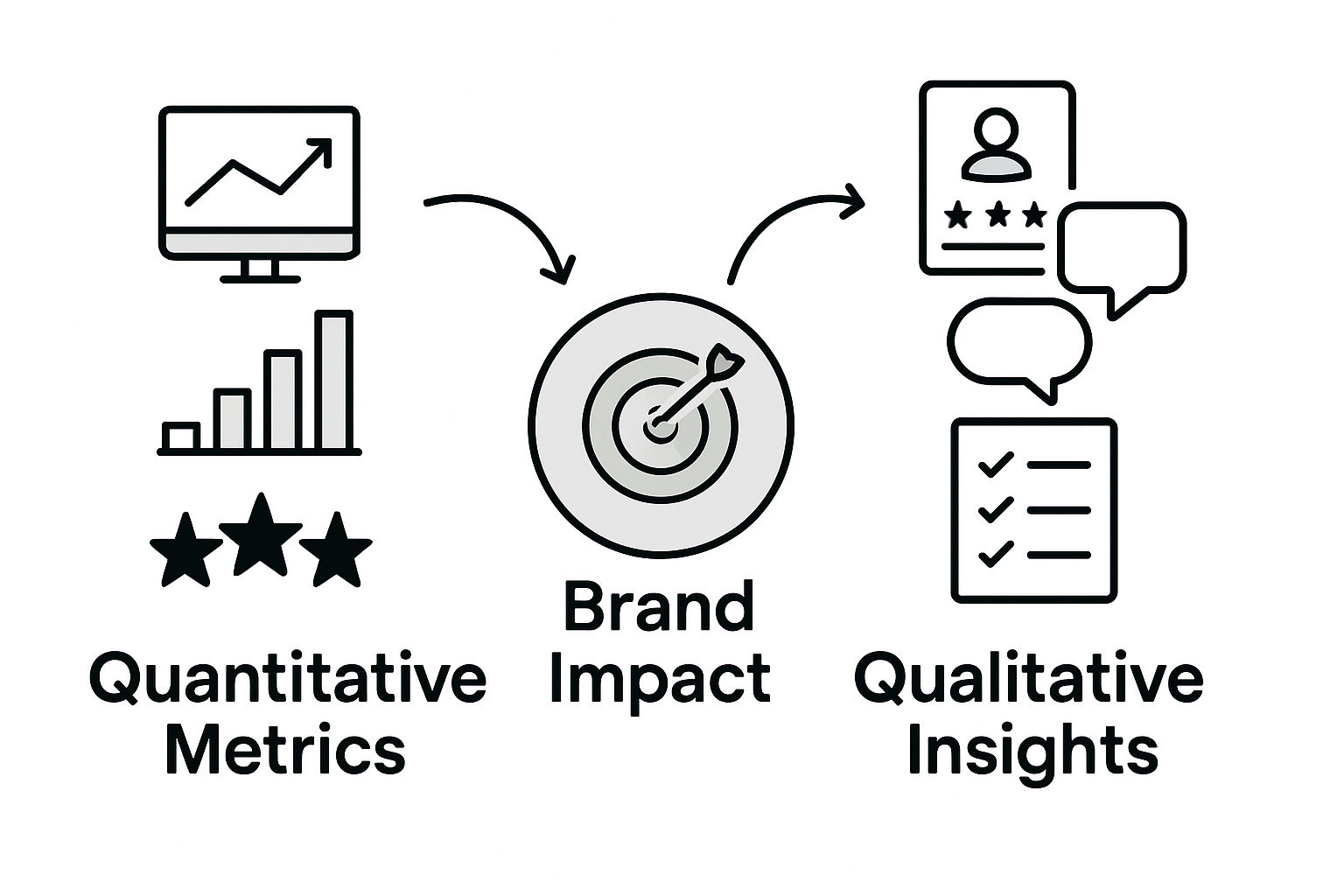
Develop a comprehensive brand performance framework that combines quantitative metrics and qualitative insights. Track key performance indicators such as brand recognition, customer perception, market positioning, and engagement rates across different channels. Conduct regular customer surveys, analyse feedback, and monitor social media sentiment to gain a holistic understanding of how your brand resonates with your target audience. Pay attention to both positive and negative feedback as they provide valuable opportunities for strategic refinement.
Studies indicate that only 20% of companies have fully integrated their brand purpose into their business proposition, highlighting the importance of continuous assessment. Schedule quarterly brand strategy review sessions where your leadership team critically examines your brand’s performance against established goals. Be prepared to make incremental adjustments that keep your brand strategy aligned with evolving market dynamics and customer expectations. Remember that brand refinement is an ongoing process of listening, learning, and adapting.
Prepare to transform insights into actionable strategies that will continuously elevate your brand’s impact.
Elevate Your UK Business Brand with Purposeful Design
Building a clear branding strategy that truly connects with your audience is no easy task. This guide highlights common challenges such as defining a meaningful brand purpose, creating consistent visual and verbal elements, and engaging your team to bring your brand to life. If you find yourself struggling to translate your brand identity into designs that resonate emotionally and logically, you are not alone. With over a decade of experience partnering with business owners like you, we understand how critical it is to develop a cohesive visual language and consistent brand messaging that builds trust and recognition.
At Kukoo Creative, we specialise in crafting impactful logos, websites, and brand materials tailored to your unique business goals and customer expectations. Our approach helps bring your brand purpose to life, ensuring every touchpoint reflects your core values and connects with the people who matter most.
Discover how strategic design can transform your brand with proven consistency and authenticity.
Transform your branding strategy now with expert help from Kukoo Creative.
Start crafting a brand identity that stands out and builds lasting relationships today.
Ready to take control of your brand’s future? Visit us at Kukoo Creative and let’s create designs that make your business unforgettable.
Frequently Asked Questions
What is the first step in developing a branding strategy for my business?
Define your brand purpose by understanding why your business exists and who you are serving. Start by asking what problem you are solving and consider your customers’ needs to create a meaningful connection.
How can I create consistent branding across different channels?
Develop a comprehensive brand style guide that outlines your visual and verbal branding elements. This guide should detail colour palettes, typography, tone of voice, and messaging to ensure all communications reflect your brand identity uniformly.
What strategies can I use to engage my team in the branding process?
Host collaborative workshops that invite input from various departments. Encourage open dialogue to translate your brand purpose into actionable insights, making everyone feel invested in the brand’s journey.
How do I measure the effectiveness of my branding strategy?
Create a brand performance framework that combines quantitative metrics and qualitative feedback. Regularly conduct customer surveys and analyse social media sentiment to gather insights and refine your branding approach as needed.
How often should I review and refine my brand strategy?
Schedule brand strategy review sessions every quarter to evaluate your performance against established goals. Be prepared to make incremental adjustments based on customer feedback and market changes to ensure your brand remains relevant.
Recommended
- Business Branding Explained: Key Elements and Benefits
- Why Branding Matters: Complete Guide For UK Business Owners – Kukoo Creative
- Brand Mark Explained: Essential Guide for UK Businesses – Kukoo Creative
- 7 Essential Small Business Branding Tips for UK Owners
- Looking for Custom Cricket Kit for 2020 – Cricket Bats Com