
Over 80 percent of British businesses say their logo directly influences how customers perceive their brand. In an environment where every detail shapes first impressions, a professional logo goes far beyond a simple image. Whether launching a startup or refreshing an established identity, understanding what professional logo design truly involves can help you avoid common pitfalls and create powerful, lasting recognition.
Table of Contents
- What Professional Logo Design Really Means
- Logo Types And Brand Impact Differences
- How Logo Design Builds Lasting Recognition
- Costs, Timeframes And Return On Investment
- Common Mistakes And Legal Issues To Avoid
Key Takeaways
| Point | Details |
|---|---|
| Professional Logo Design is Strategic | It involves a comprehensive understanding of brand identity, colour psychology, and typography, serving as a vital communication tool for businesses. |
| Logo Type Impact | The choice of logo type—such as word-marks or abstract brand-marks—significantly influences brand perception and consumer interaction. |
| Investing in Logo Design | A well-designed logo can enhance brand recognition by up to 80%, providing substantial long-term returns through improved customer engagement and business growth. |
| Legal Considerations | Businesses must navigate trademark issues and ensure unique designs, as mishandling can lead to costly legal challenges and damage to brand integrity. |
What Professional Logo Design Really Means
Professional logo design represents a sophisticated strategic process far beyond mere graphic creation. More than just an attractive visual element, a professional logo serves as a critical communication tool that instantly conveys a brand’s core identity and values. As researchers have noted, logos are “visual and textual marks used to identify brands and their products” – a seemingly simple definition that masks profound complexity.
At its core, a professional logo design involves careful strategic considerations that transform graphic elements into powerful brand ambassadors. Unlike amateur designs, professional logos incorporate deep understanding of colour psychology, typography, visual hierarchy, and brand positioning. A corporate logo embraces specific characteristics that enable a company to distinguish itself from competitors, creating instant visual recognition and emotional connection.
The creation of a professional logo requires multiple sophisticated skills:
- Strategic brand understanding
- Advanced graphic design expertise
- Comprehensive market research
- Technical design software proficiency
- Ability to translate complex brand narratives into simple, memorable visuals
Understanding that your logo represents the visual cornerstone of your business identity means recognising its potential to communicate volumes without uttering a single word. Professional designers don’t just create graphics – they craft visual narratives that resonate with target audiences, build trust, and establish immediate brand credibility.
Logo Types And Brand Impact Differences
Logo design is a nuanced discipline with various typological approaches that dramatically influence brand perception. Researchers have identified multiple logo categories that businesses can strategically leverage, including word-marks, letterform marks, pictorial brand-marks, and abstract brand-marks. Each logo type communicates distinct brand characteristics and emotional resonances.
Word-marks represent logos featuring the company name in a distinctive typeface, ideal for organisations with memorable names or strong brand recognition. Letterform marks condense brand identity into single letters or initials, creating compact yet powerful visual representations. Pictorial brand-marks utilise recognisable imagery to instantly communicate brand personality, while abstract brand-marks employ geometric shapes and innovative design elements to provoke intrigue and stimulate audience imagination.
The strategic selection of logo type profoundly impacts brand equity. Logo descriptiveness can significantly influence how consumers perceive and interact with a brand, making the choice more than a mere aesthetic decision. Different logo types communicate varying levels of professionalism, creativity, and market positioning.
Understanding these nuanced differences allows businesses to select logo designs that authentically represent their brand narrative. The right logo type can transform a simple graphic into a powerful communication tool, bridging the gap between visual design and strategic brand messaging. Whether choosing a minimalist letterform or an intricate pictorial representation, the logo serves as the fundamental visual language through which businesses speak to their target audience.
How Logo Design Builds Lasting Recognition
Logo design plays a critical role in establishing enduring brand recognition and corporate identity. Corporate logos fundamentally increase a company’s significance as a product and brand differentiator, serving as visual ambassadors that communicate an organisation’s core values and personality in a single glance. When strategically crafted, logos transcend mere graphic elements to become powerful psychological triggers that instantly connect with audience emotions and memories.

The psychological impact of a well-designed logo extends far beyond simple visual aesthetics. Consumers develop deep subconscious associations with logo designs, creating mental shortcuts that enable rapid brand identification. These visual markers trigger immediate emotional responses, whether it’s trust, excitement, reliability, or innovation. Professional logo design carefully orchestrates colour psychology, typography, and visual composition to craft these nuanced perceptual experiences.
Logo descriptiveness significantly influences how consumers perceive and interact with a brand, making each design choice a strategic communication tool. Elements like shape, colour, and complexity communicate subtle messages about a company’s professional approach, market positioning, and core values. A minimalist tech startup might employ sleek, geometric designs, while a traditional family business might prefer warmer, more organic logo elements.
Ultimately, building lasting recognition requires a logo that is memorable, versatile, and authentic. The most successful logos become cultural symbols that transcend their original corporate context, embedding themselves in collective consciousness. Think of logos that have become so recognisable they require no accompanying text – these are the gold standard of visual branding that every business aspires to achieve.
Costs, Timeframes And Return On Investment
Logo design investment represents a strategic financial decision with far-reaching implications for businesses. Local business support programmes recognise the importance of professional branding, offering fully-funded support for logo design, understanding that visual identity is crucial for emerging enterprises. Typically, professional logo design costs range from £250 to £2,500, depending on the complexity, designer expertise, and comprehensive branding requirements.
The timeframe for creating a professional logo varies based on project scope and collaboration dynamics. A standard logo design process encompasses multiple stages: initial consultation, concept development, design iterations, refinement, and final delivery. Most professional designers require 2-4 weeks to deliver a comprehensive logo solution, ensuring meticulous attention to detail and alignment with brand strategy. This timeline allows for strategic thinking, creative exploration, and collaborative refinement.
Return on investment for logo design extends beyond immediate visual appeal. A well-crafted logo can increase brand recognition by up to 80%, potentially driving customer engagement and business growth. Small businesses often see tangible benefits within 6-12 months, with improved market perception, enhanced credibility, and increased customer trust. The psychological impact of a professionally designed logo can significantly influence purchasing decisions, making it a critical investment in long-term business success.
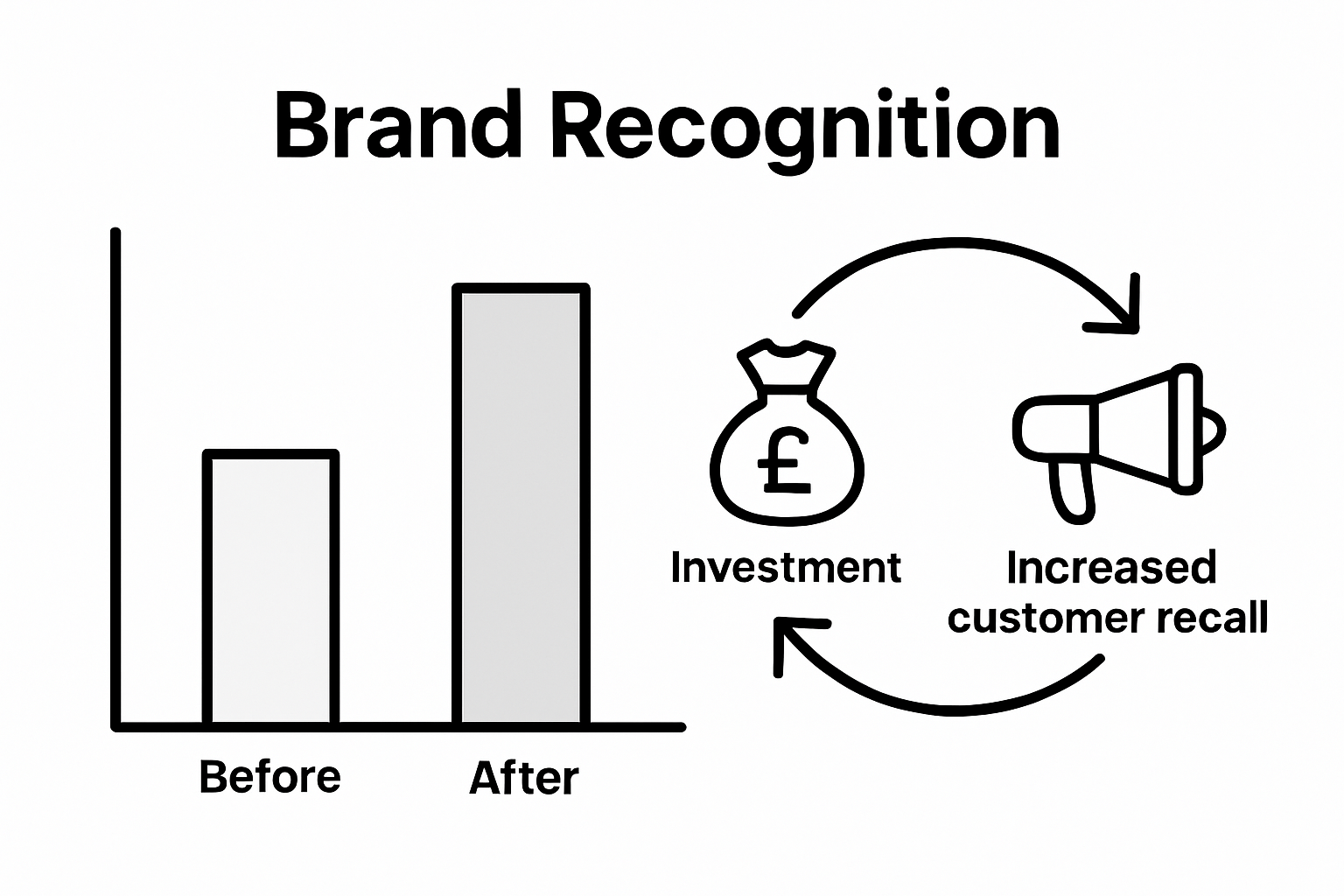
Understanding the financial commitment requires viewing logo design as a strategic asset rather than a mere expense. Businesses should consider factors like scalability, versatility, and potential brand applications when evaluating design costs. A logo that can adapt across digital and physical platforms, maintaining clarity and impact, represents a robust investment in a company’s visual communication strategy.
Common Mistakes And Legal Issues To Avoid
Logo design involves complex legal and creative considerations that can significantly impact a business’s brand integrity. Businesses must carefully consider logo usage and representation, understanding that logos serve as critical trust signals, communicating core organisational values and professional standards. Mishandling logo design can expose companies to substantial legal and reputational risks.
Several critical legal pitfalls require careful navigation. Trademark infringement represents the most significant risk, where unintentional similarities to existing logos can trigger costly legal challenges. Businesses must conduct comprehensive trademark searches, ensuring their logo design is unique and does not inadvertently mimic competitor branding. Additionally, companies should register their logo designs to establish legal ownership and prevent potential intellectual property disputes.
Quality verification processes are crucial when developing logos, particularly for organisations requiring specific professional standards. Common mistakes include neglecting scalability, using overly complex designs that lose clarity at different sizes, and failing to create versatile logos that work across multiple platforms. Professional designers recommend developing logo variations – full colour, monochrome, and simplified versions – to ensure consistent brand representation.
Understanding potential legal complexities requires proactive strategy. Businesses should engage professional designers who comprehend both creative and legal dimensions of logo development. This approach minimises risks, ensuring logos not only look compelling but also provide robust legal protection. Investing in professional design services with clear contractual agreements about ownership, usage rights, and design originality represents the most effective safeguard against potential branding challenges.
Elevate Your Brand With Professional Logo Design
Struggling to create a logo that truly captures your brand identity and builds lasting recognition is a common challenge for many UK businesses. The article highlights key pain points such as understanding logo types, avoiding legal pitfalls, and investing wisely in design choices that resonate emotionally with your audience. At Kuko Creative we specialise in transforming these complex design needs into simple, memorable visuals that communicate your core values and differentiate you in the marketplace.
Make your logo a powerful visual cornerstone by partnering with experienced professionals who understand both strategy and creativity. From initial concept to final delivery we ensure your logo is scalable, versatile and legally sound so you gain maximum return on investment without the typical risks. Discover how our decade of experience helping business owners just like you can bring your brand story to life and connect with the people who matter most.
Explore our professional design solutions today
Ready to build a logo that drives recognition and trust in the UK market Contact us now at Kuko Creative and take the first step towards a brand identity as unique as your business.
Frequently Asked Questions
What is the importance of professional logo design for a business?
Professional logo design serves as a critical communication tool that conveys a brand’s core identity and values, creating instant visual recognition and emotional connection with the audience.
How does logo design impact brand recognition?
A well-designed logo can increase brand recognition by up to 80%, serving as a visual ambassador that triggers emotional responses and facilitates immediate brand identification among consumers.
What are the key factors that influence the cost of logo design?
The cost of logo design typically ranges from £250 to £2,500, depending on factors such as complexity, designer expertise, and comprehensive branding needs.
What common mistakes should businesses avoid in logo design?
Common mistakes include neglecting scalability, using overly complex designs that lose clarity, and failing to conduct proper trademark searches to avoid infringement issues.
Recommended
- The Essential Guide to the Role of Logo in Branding – Kukoo Creative
- 7 Key Advantages of Custom Logos for UK Business Owners
- How to Update Business Logo for Maximum Impact – Kukoo Creative
- Role of Logo Design: Complete Guide for UK Businesses – Kukoo Creative
- Waste Reduction for SMEs: Practical UK Strategies for 2025 – Venture Waste