
McDonald’s, Apple, Mercedes, Starbucks, Pepsi, Nike, and Coca-Cola. What do these legendary brands have in common?
A killer logo, that’s what. The golden arches of the world’s largest fast-food chain and the iconic Nike swoosh are as synonymous with the brand as the companies themselves.
The logo is the front door of your business, a first impression and only representation of your company that a potential client has before learning more. You only get one chance to make a great first impression!
Introduction To Logo Design
Successful brands have logos that reflect the company’s values and are instantly recognisable. Timeless and effective, a killer logo will work at any size and anywhere.
Logo design might seem insignificant to some, but nothing could be further from the truth. A stunning, impactful logo can offer substantial benefits to companies, attracting the interest of potential customers and differentiating your brand from the competitors.
Logos convey the brand’s essence and can provide instant recognition, influencing prospects and investors into seeing your brand a particular way.
In addition, it is a universal communication tool that appears on products, printed material, reports, business cards, and electronic communication.
This graphic may be the symbol, emblem, or any particular mark indicating the subject. Logo designing started in the 1870s.
Over the years, Modernism gave a further push to graphic designers, emphasizing the value of “less is more.” The importance of logos has grown to heights in recent times.
What Is A Logo?
At the very rudimentary level, logos are symbols that consist of text, images, or a combination of both that represent your brand.
A good logo will represent your brand in a favourable light, while a great logo will be the cornerstone of your brand.
Logos can be descriptive or non-descriptive. Descriptive logos include visual or textual elements that indicate the type of product or service a company offers.
Examples of descriptive logos include Burger King and Dunkin Donuts.
Non-descriptive logos give no indication of what the company is about or the products or services it offers. Think McDonald’s, Nike, and Mercedes!
Although these legendary logos are elegant, timeless, and instantly recognisable, there was a time when no one knew what the business was about.
Companies often update their logos to reflect on changing trends. In recent months, General Motors, Pfizer, Burger King, and Renault have joined the rest of the major brands giving their logo a facelift.
What Does A Logo Do?
Logos are a critical component of branding, sitting at the frontlines of your business facing your prospects, investors, and customers.
Competition – Logos make you stand out from your competition, giving your business a unique brand mark.
Conveys information – As mentioned before, descriptive logos will depict an accurate representation of your company’s offerings of products and services. Non-descriptive logos will not, but often belong to significant companies with established brands.
Brand recognition – A logo creates a powerful visual association with the business, helping your customers keep your brand in mind. A critical part of brand identity, top logos are so omnipresent that they are instantly recognised.
Logos should be used consistently throughout your business materials. Try using the same size logo across all digital platforms, don’t change its size between web pages if there isn’t a need.
While it might be tempting to plaster your new, snazzy logo all over your business, don’t! It is all well to subtly place them to optimize brand awareness, but screaming it constantly is likely to do more harm than good and might cheapen its value.
Standard placements for logos can include:
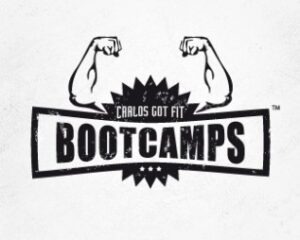 Dumbbells, muscles, and flexing are all images that represent a gym business. Where possible, avoid clichés. Use that imagery in a clever way to stand out. Remember to try connect with your audience.
Jewellery Logo Design
Jewellery businesses demand high-class branding where design elements play the crucial role during logo formation. Stylish sophistication is the name of the game when it comes to the jewellery business.
Design elements can be combined to convey a clean, refined look while in the world of graphic designing, these subtle, straightforward elements actually give a classy long-lasting impression.
While designing a premium logo for your jewellery brand, you might want to be careful with the font type. Calligraphic fonts symbolize sophistication and elegance, while modern fonts such as sans serifs symbolize lavishness.
In addition, serif fonts containing thick and thin strokes in alternating patterns can also look classy. Blending these three types of fonts or creating a customized font would be an excellent complement to your logo.
Besides luxury, customized fonts also impart uniqueness to your logo. Minimal shapes and lines in the right color and amount are all you need to craft an impressive logo.
Avoid the use of many elements. A high-end classy jewellery brand’s display usually avoids being overcrowded and overwhelming, and strives for simplicity and style.
In addition, a good amount of white or blank space in the logo has also been known to symbolize prestige and brings a higher-end look to its elements.
When choosing colours for your logo, consider your target audience. Youths tend to favor soft colours while adults might prefer contrasting hues and bold combinations.
Designs with lines and borders can look subtle and luxurious. Textures and other small detailings such as metallic textures can make the logo look simple and classy at once.
In addition, embossing or die-cuts can bring a glamorous look to the logo.
Architecture Logo Design
Appearance is everything in the world of architecture. An architect understands how crucial it is to balance functionality and visual appeal.
Just like a building or structure catches an audience’s attention at first glance, the logo of an architecture business should convey its dedication to art and visual imagery.
Architects know how important precision is. An architect’s logo is a way to showcase the skill and style that goes into the company’s work, laying a foundation that will take the business to new heights.
Architect logos should be kept minimal and powerful. Precision and attention to detail are the universal language of builders and architects alike.
Bakery Logo Design
Designing your own bakery logo is a piece of cake! Pun fully intended!
When you’re selling bread, pies, or other delicious treats, the right combination of fonts, colours and icons will have your customers pounding on your doors.
Pull people off the streets and into your bakery with a striking logo design. The UK has 2,500 commercial bakeries, all using images of cupcakes, snacks, bakers, and utensils to convey a cosy, comfortable feel to customers.
When selecting colours for bakery logos, natural, pastel colours work best, while vibrant hues like pink and orange can appear tempting and appetizing.
Bakery logos at times are paired well with a mouth-watering tagline. Using an icon isn’t a must, but an icon remains an easy way to convey your bakery’s main product. Is your signature product a donut, cupcake, or pie?
And does your bakery follow a particular style of baking like Italian or French? Your logo should show off your mad baking skills and set you apart from the competition.
Wedding Logo Design
While not technically a business, a wedding logo can help immortalize the most special day of your life.
A unique wedding logo adds an excellent personal touch to decorations, invitations, keepsakes, and photo albums. Wedding logos can include stylish, cute names derived from the combination of the wedding couple’s initials, or any other font relevant to the couple.
Wedding logos light up the ambiance, adding more fun and excitement into an important day. A logo plays a crucial role in themed weddings right down to the food menu and backdrop decorations.
Calligraphy has the potential to suit every theme and decor idea, bringing a modern, floral touch to existing decorations and designs.
Barber Logo Design
Of course, the obvious icons that a barber shop uses would include razors, mustaches, or a pair of scissors.
The best fonts for a barbershop logo include Calibri, Clarendon, Helvetica, and Candida.
In addition, sans serif fonts explicitly represent modernized sophistication and are best for salons and barbershops with high-end fashion.
The colours ideal for barbershops include black, red, white, and blue. While the combination of white and black symbolizes elegance, bright colours imply boldness and creativity.
A maximum of two colours are recommended to keep things simple. More colours eat up the space, and may create a logo that looks “noisy” or messy.
Simplicity makes the logo look more premium yet still can convey a barbershop’s primary function and business.
Clothing Brands
No industry loves visual appeal more than the fashion industry. The industry goes way more by the perceived value of external appearance than by any product’s true worth of value.
Similarly, a fashion business is prized by how it presents itself before its audience. No matter how many quality pieces you have in the store, people won’t come in if they don’t like the store’s visual appeal.
While visual appearance becomes extremely crucial for clothing brands and companies, logos, in this case, become indispensable.
Fashion brand logos don’t have to be complicated. Good examples of fashion brands with simple, yet easily recognizable logos include H&M, Louis Vuitton, Hermes, Adidas, Tiffany & Co., Chanel, and Prada.
Beauty Startups
Just like the eyes are the window to the soul, your logo delivers your brand message with similar honesty to your target audience. Like the fashion industry, the beauty industry is all about visual appeal.
A beauty startup will require a logo that is creative, elegant, and sophisticated, to appeal to the key target audience.
The simplicity of a design is directly proportional to the versatility. Consider the logos of:
Dumbbells, muscles, and flexing are all images that represent a gym business. Where possible, avoid clichés. Use that imagery in a clever way to stand out. Remember to try connect with your audience.
Jewellery Logo Design
Jewellery businesses demand high-class branding where design elements play the crucial role during logo formation. Stylish sophistication is the name of the game when it comes to the jewellery business.
Design elements can be combined to convey a clean, refined look while in the world of graphic designing, these subtle, straightforward elements actually give a classy long-lasting impression.
While designing a premium logo for your jewellery brand, you might want to be careful with the font type. Calligraphic fonts symbolize sophistication and elegance, while modern fonts such as sans serifs symbolize lavishness.
In addition, serif fonts containing thick and thin strokes in alternating patterns can also look classy. Blending these three types of fonts or creating a customized font would be an excellent complement to your logo.
Besides luxury, customized fonts also impart uniqueness to your logo. Minimal shapes and lines in the right color and amount are all you need to craft an impressive logo.
Avoid the use of many elements. A high-end classy jewellery brand’s display usually avoids being overcrowded and overwhelming, and strives for simplicity and style.
In addition, a good amount of white or blank space in the logo has also been known to symbolize prestige and brings a higher-end look to its elements.
When choosing colours for your logo, consider your target audience. Youths tend to favor soft colours while adults might prefer contrasting hues and bold combinations.
Designs with lines and borders can look subtle and luxurious. Textures and other small detailings such as metallic textures can make the logo look simple and classy at once.
In addition, embossing or die-cuts can bring a glamorous look to the logo.
Architecture Logo Design
Appearance is everything in the world of architecture. An architect understands how crucial it is to balance functionality and visual appeal.
Just like a building or structure catches an audience’s attention at first glance, the logo of an architecture business should convey its dedication to art and visual imagery.
Architects know how important precision is. An architect’s logo is a way to showcase the skill and style that goes into the company’s work, laying a foundation that will take the business to new heights.
Architect logos should be kept minimal and powerful. Precision and attention to detail are the universal language of builders and architects alike.
Bakery Logo Design
Designing your own bakery logo is a piece of cake! Pun fully intended!
When you’re selling bread, pies, or other delicious treats, the right combination of fonts, colours and icons will have your customers pounding on your doors.
Pull people off the streets and into your bakery with a striking logo design. The UK has 2,500 commercial bakeries, all using images of cupcakes, snacks, bakers, and utensils to convey a cosy, comfortable feel to customers.
When selecting colours for bakery logos, natural, pastel colours work best, while vibrant hues like pink and orange can appear tempting and appetizing.
Bakery logos at times are paired well with a mouth-watering tagline. Using an icon isn’t a must, but an icon remains an easy way to convey your bakery’s main product. Is your signature product a donut, cupcake, or pie?
And does your bakery follow a particular style of baking like Italian or French? Your logo should show off your mad baking skills and set you apart from the competition.
Wedding Logo Design
While not technically a business, a wedding logo can help immortalize the most special day of your life.
A unique wedding logo adds an excellent personal touch to decorations, invitations, keepsakes, and photo albums. Wedding logos can include stylish, cute names derived from the combination of the wedding couple’s initials, or any other font relevant to the couple.
Wedding logos light up the ambiance, adding more fun and excitement into an important day. A logo plays a crucial role in themed weddings right down to the food menu and backdrop decorations.
Calligraphy has the potential to suit every theme and decor idea, bringing a modern, floral touch to existing decorations and designs.
Barber Logo Design
Of course, the obvious icons that a barber shop uses would include razors, mustaches, or a pair of scissors.
The best fonts for a barbershop logo include Calibri, Clarendon, Helvetica, and Candida.
In addition, sans serif fonts explicitly represent modernized sophistication and are best for salons and barbershops with high-end fashion.
The colours ideal for barbershops include black, red, white, and blue. While the combination of white and black symbolizes elegance, bright colours imply boldness and creativity.
A maximum of two colours are recommended to keep things simple. More colours eat up the space, and may create a logo that looks “noisy” or messy.
Simplicity makes the logo look more premium yet still can convey a barbershop’s primary function and business.
Clothing Brands
No industry loves visual appeal more than the fashion industry. The industry goes way more by the perceived value of external appearance than by any product’s true worth of value.
Similarly, a fashion business is prized by how it presents itself before its audience. No matter how many quality pieces you have in the store, people won’t come in if they don’t like the store’s visual appeal.
While visual appearance becomes extremely crucial for clothing brands and companies, logos, in this case, become indispensable.
Fashion brand logos don’t have to be complicated. Good examples of fashion brands with simple, yet easily recognizable logos include H&M, Louis Vuitton, Hermes, Adidas, Tiffany & Co., Chanel, and Prada.
Beauty Startups
Just like the eyes are the window to the soul, your logo delivers your brand message with similar honesty to your target audience. Like the fashion industry, the beauty industry is all about visual appeal.
A beauty startup will require a logo that is creative, elegant, and sophisticated, to appeal to the key target audience.
The simplicity of a design is directly proportional to the versatility. Consider the logos of:
- Advertisements, brochures, flyers, banners, and other marketing materials
- Signs
- Business cards
- Corporate gifts such as coffee mugs, water bottles, pens, and writing pads
- Digital and social media
- Presentations
- Office decor
- Business profiles
- Simplicity
- Relevance
- Versatility
- Uniqueness
- Memorable
- Your logo is likely the first thing a prospect or customer will see
- The logo should reflect your business goals and plays an essential role in your brand’s identity.
- The logo should be adaptable to all the needs of the brand.
- Follow various inspirations for having an idea about what your logo should look like.
- Look at the logos of your closest competitors and outdo them.
- Browse through various design styles and choose the perfect typography, colors, icons, graphics, and shapes for your logo.
- With all your design elements properly set, you need to choose your logotype. The most common types of logos are monograms, wordmarks, logo symbols, abstract logo marks, mascots, combination marks, and emblems.
- With all these elements, style and typography perfectly decided, you can craft a simple, elegant logo for your brand.
- MAC Cosmetics
- Shiseido
- Revlon
- L’Oréal
- Estee Lauder
- Clinique
- Lancôme
- Maybelline
- Shiseido
- Fenty Beauty
- Olay
- Sephora
- CoverGirl
- Portfolio
- Design Process
- Font Licensing
- Logo Guidelines
- Adaptability